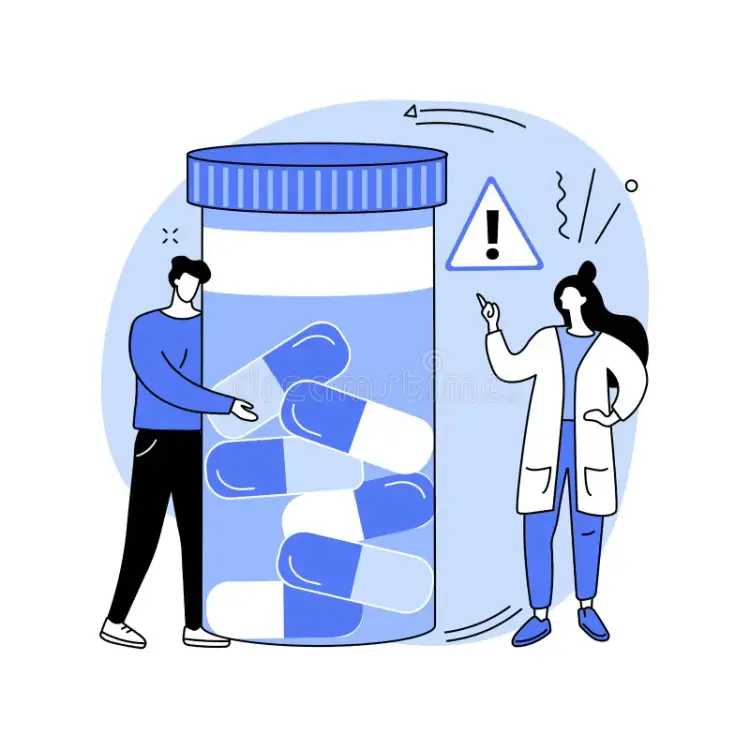
Discovering your child is using drugs is a deeply painful and shocking moment for any parent. It's normal to feel a rush of emotions—fear, anger, guilt, confusion—but how you respond in this crucial moment matters far more than the discovery itself. Your child needs you now, not just as a parent, but as a calm, supportive presence. This blog is a guide to help you respond with clarity, compassion, and purpose.
1. Pause and Breathe Before Taking Action
Your first instinct might be to confront your child immediately, but pause. Acting in the heat of emotion can trigger defensiveness or even rebellion. Before approaching them:
Consider your tone and timing. Make sure the conversation doesn’t feel like an attack—it should not touch their ego or make them feel ashamed.
Avoid conversations when you’re angry or emotional. If you feel you might lose control, consult an expert, therapist, or counselor first.
Remember: This is not a moment to fix everything. Breaking a bad habit or addiction doesn't happen in a burst of emotion—it requires patience, love, and consistent support.
2. Confirm What You Know
Before you speak with your child, make sure you have clear facts. Was it definitely drug use? Are there signs of ongoing behaviour, or was it a one-time experiment? Having accurate information helps you approach the situation thoughtfully and calmly.
3. Understand What Works for Your Child
Every child is different. What works for one may not work for another. Ask yourself:
Is your child more responsive to quiet, one-on-one talks or structured guidance?
Do they open up better through writing, walks, or creative outlets?
Approach them in a way that suits their personality. This helps avoid ego clashes and emotional shutdowns.
4. Open a Safe and Honest Dialogue
When you're ready to talk, create a safe space for them to speak. Don’t accuse—ask. Don’t blame—listen. Use calm, non-judgmental language like:
“I found something that concerned me, and I want to understand what’s going on. I'm here to support you.”
Let them express themselves without fear. They may be dealing with stress, peer pressure, anxiety, or curiosity.
5. Seek Expert Guidance
Addiction and substance use can be complex and deeply rooted. Don’t hesitate to reach out for help. A counselor, therapist, or support group can:
Offer professional insight into your child’s behavior
Help you manage your own emotions and reactions
Guide you in building a realistic plan for recovery
6. Build Trust, Not Walls
This isn’t just about stopping drug use—it’s about rebuilding trust, connection, and self-worth. Be emotionally available. Make home a safe, loving environment, even when consequences need to be enforced.
Set clear boundaries with calmness and consistency.
Reinforce love and belief in their ability to change.
Encourage healthy routines, sleep, nutrition, and hobbies.
7. Don't Blame Yourself—and Don’t Expect Instant Change
Blame—whether toward your child or yourself—only deepens pain. Instead:
Focus on forward steps, not past regrets.
Accept that change is a process, not an event.
Be prepared for setbacks, and respond with continued support and belief in their growth.
8. Stay Consistent—and Keep Hope Alive
Healing isn’t a straight path. It takes time, effort, and often outside help. Keep showing up, even when it’s hard. Your consistency, love, and hope are powerful forces in your child’s recovery.
Final Thoughts
Drug use in teens or young adults is rarely just about drugs—it's often a cry for help, an escape, or a symptom of deeper struggles. As a parent, your role is not to control but to connect, understand, and guide. Don’t try to solve everything in one conversation. Instead, figure out what truly works for your child and walk with them through this journey—patiently, lovingly, and without giving up.